Why Real Estate Investment Feels Broken
Let’s be honest—investing in real estate has always been complicated. In this post, we will discuss the basics of real‑world asset tokenization
You need deep pockets. There are endless legal documents. You have to deal with agents, banks, and property managers. And if you want to sell? You might wait months for a buyer.
But what if you could buy a share of a luxury apartment in London, a commercial building in Dubai, or a beachfront villa in Bali—without leaving your home?
That’s exactly what real‑world asset tokenization makes possible.
What Exactly Is Real‑World Asset Tokenization?
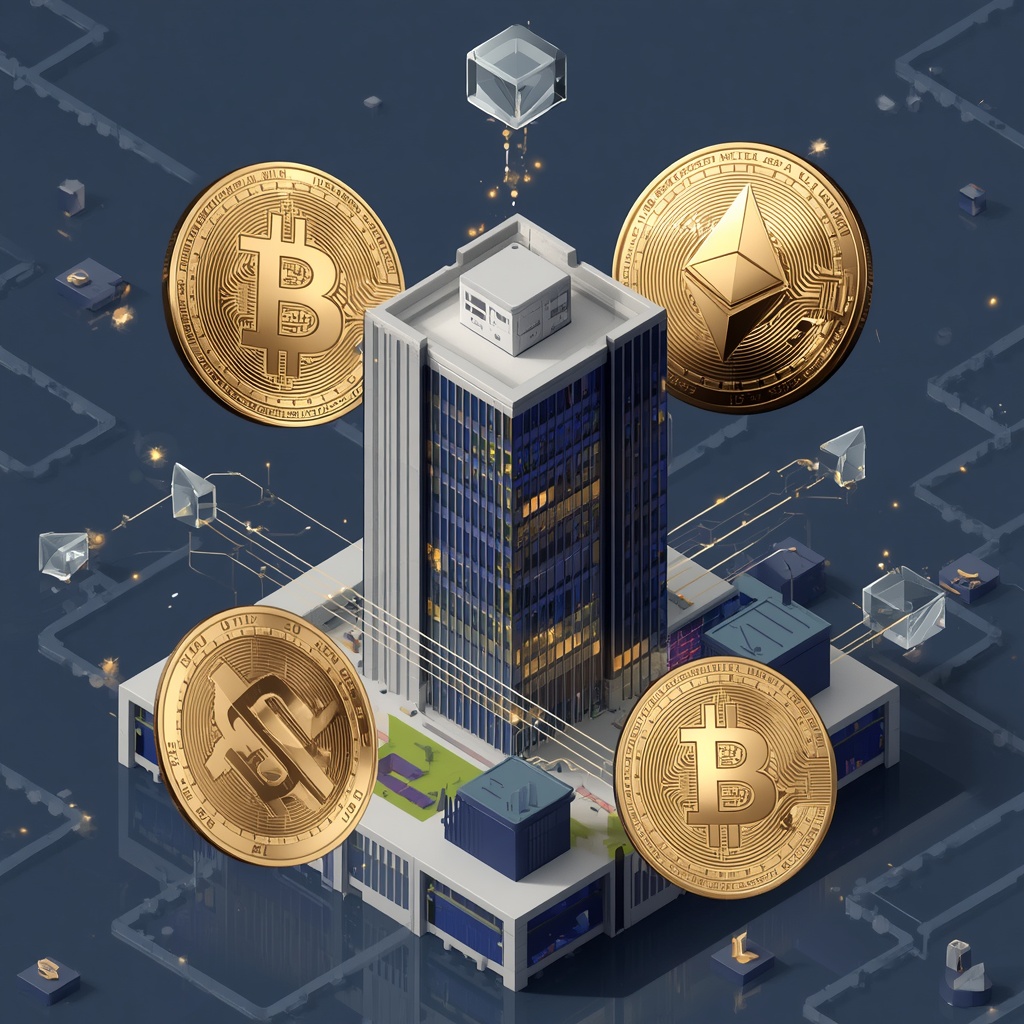
At its core, tokenization is the process of converting ownership of a physical asset—like a property—into a digital token on a blockchain.
Think of it like this:
- Instead of buying an entire house, you buy fractional shares of it.
- Each share is represented by a crypto token.
- That token proves your ownership and can be traded instantly on a digital marketplace.
It’s like turning a billion‑dollar skyscraper into a stock that anyone can buy, sell, or hold.
Why Tokenization Changes Everything
1. Fractional Ownership — Lower Barriers
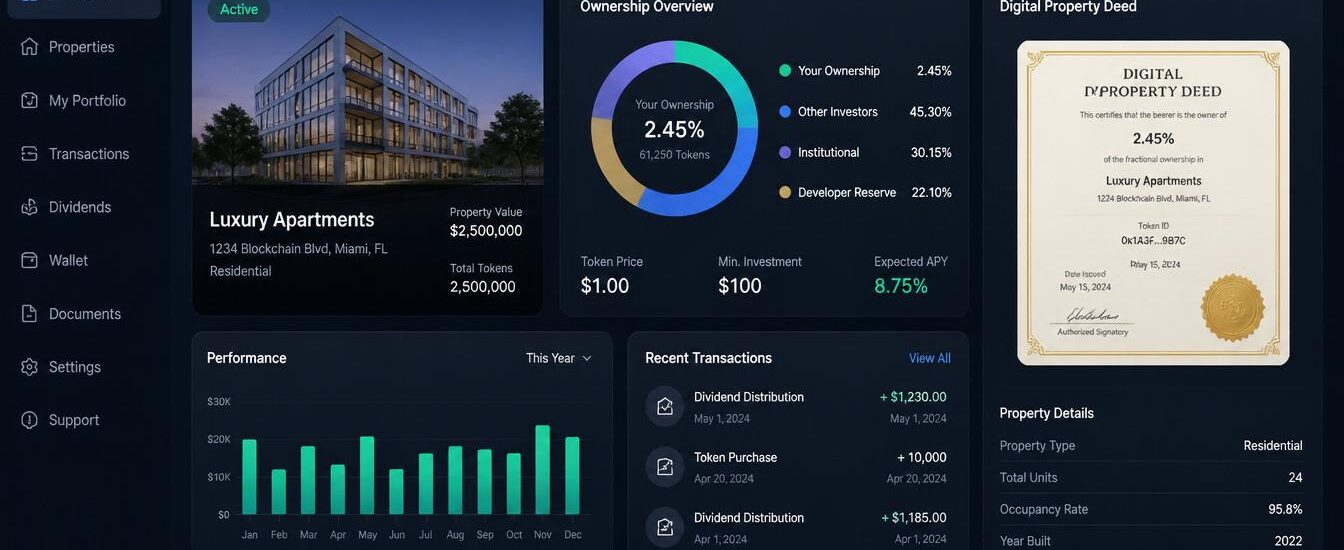
You no longer need millions to invest in prime real estate. With RWA tokenization, you can start with as little as $100 and own a slice of a high‑value property.
2. Instant Liquidity
Traditional real estate is illiquid. Selling a property can take weeks or months. Tokenized assets, on the other hand, can be traded 24/7 on secondary markets, giving you the freedom to exit whenever you want.
3. Global Access
Geographic borders disappear. An investor in Singapore can tokenize a property in New York as easily as a local buyer.
4. Transparency & Security
Every transaction is recorded on the blockchain—a public, immutable ledger. Smart contracts automate rental distributions, legal compliance, and ownership transfers, reducing fraud and human error.
How Does It Work? (A Simple Breakdown)
Step 1: Asset Sourcing
A property is selected—vetted for quality, legal standing, and market value.
Step 2: Legal Structuring
The property is legally wrapped in a compliant entity (like an SPV) to ensure regulatory alignment.
Step 3: Token Issuance
Using smart contracts, the asset is divided into digital tokens, each representing a fraction of ownership.
Step 4: Distribution
These tokens are offered to investors via a regulated token sale or public offering.
Step 5: Trading
Once issued, tokens can be bought and sold on the platform’s secondary marketplace—providing instant liquidity.
What Makes RWA.immo Different?
We don’t just tokenize random properties.
At RWA.immo, we:
- Conduct rigorous due diligence on every asset.
- Partner with top‑tier legal and compliance experts.
- Build audited smart contracts for bulletproof security.
- Provide real‑time analytics so you always know your portfolio’s performance.
- Offer dedicated customer support to guide you every step of the way.
Our mission is simple: Make real estate investing accessible, secure, and transparent for everyone.
Is Tokenization Safe?
This is the most common question—and it’s valid.
The safety of tokenization depends on three things:
- The platform — Is it regulated and compliant?
- The smart contracts — Have they been audited by third‑party experts?
- The asset itself — Is it properly valued and legally structured?
RWA.immo checks all three boxes. We operate with full transparency and regulatory alignment, ensuring your investments are protected.
Read more on RWA in Real Estate Industry
